
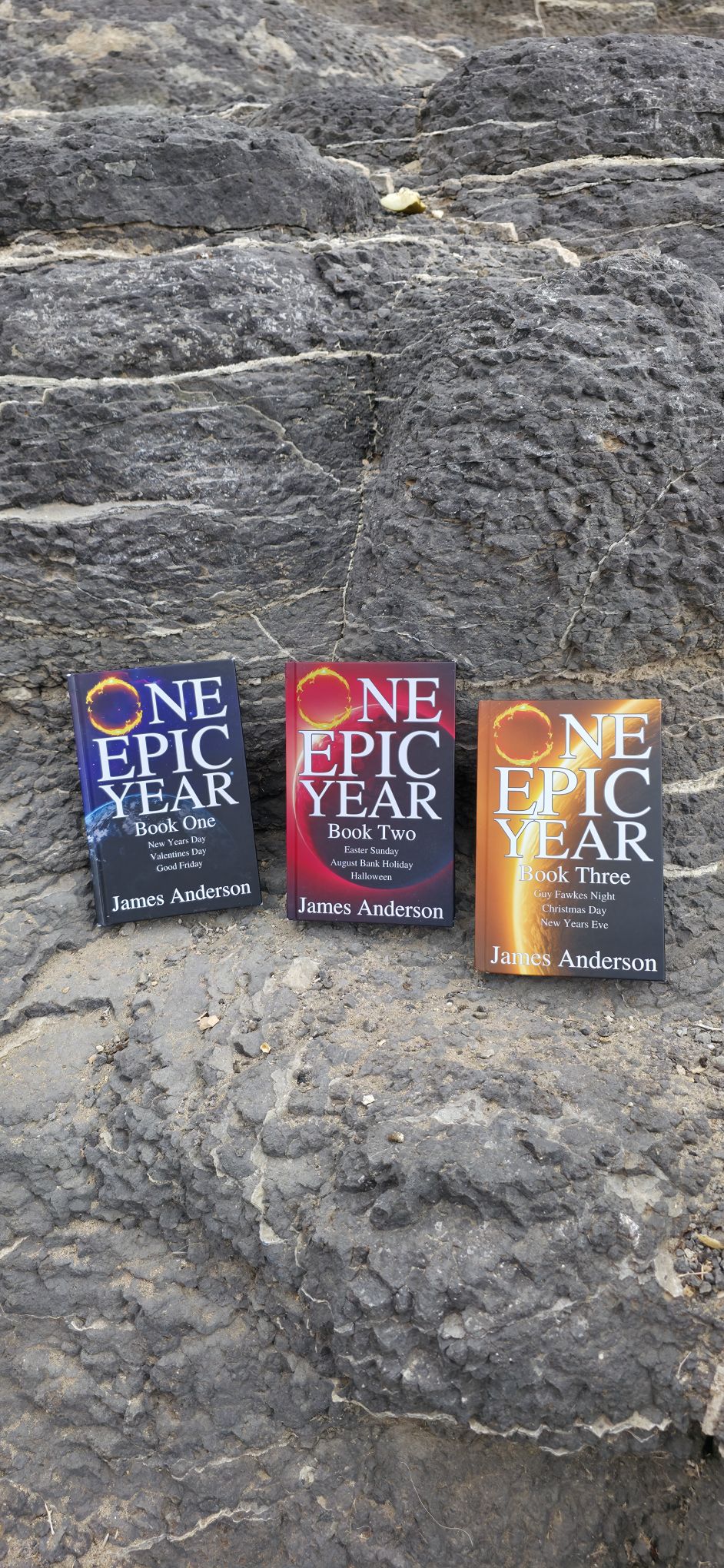
Publishing one book is tough. Publishing three in three months? That’s… either ambitious or foolish, depending on who you ask.
In early 2025, I launched One Epic Year as a trilogy, releasing each book just weeks apart. It was a whirlwind of writing, editing, cover design, marketing campaigns, and about 47 cups of coffee per week. The pace was exhilarating yet exhausting, as I found myself juggling multiple responsibilities each day.
Now that the dust has settled, I can share what worked, what didn’t, and the lessons I’ll carry into my next project. Each phase of the process brought its own unique challenges and triumphs. For instance, the writing phase was intense—characters evolved and plots twisted in unexpected directions, leading to late nights filled with creativity and the occasional writer’s block. The editing phase, while daunting, provided invaluable insights into my writing style and areas for improvement.
Cover design was another adventure altogether. Collaborating with talented designers gave life to my vision, and seeing the final products was incredibly rewarding. Marketing campaigns were perhaps the most intricate part of the journey; they required not only strategic thinking but also adaptability as I tested different approaches to engage my audience.
Looking back, I realize the importance of building a supportive network. Engaging with fellow authors and marketing professionals provided fresh perspectives and ideas that I might not have considered on my own. Now, as I reflect on this whirlwind experience, I am excited to share the truths of this journey. Whether you’re an author, a marketer, or just curious about the behind-the-scenes chaos, here’s the truth: persistence, collaboration, and a willingness to learn from both successes and setbacks are key to navigating the tumultuous seas of creativity and publication.
Lesson 1: Launch with an Audience, Not to an Audience
The biggest advantage you can have isn’t a perfect book — it’s people waiting for it, eager to dive into the story you’ve crafted, hungry for the characters you’ve developed, and longing to experience the journey that unfolds within your pages. When readers are genuinely excited about your work, it transforms the mere act of writing into a vibrant community endeavor, where anticipation fuels creativity and connection thrives. This dynamic not only motivates you as a writer but also enriches the reading experience, as your audience brings their own perspectives and enthusiasm to the table, creating a shared journey that extends far beyond the book itself.
- I built Instagram, TikTok, and newsletter lists before launch day.
- When the books dropped, I already had readers ready to buy.
- Without that foundation, I would have been shouting into the void.
Lesson 2: Cross-Promotion Works (If You Do It Like a Human)
Every platform needs its own personality.
- Instagram was visual storytelling (cover reveals, behind-the-scenes shots).
- TikTok leaned on humour and trend participation.
- My newsletter was more personal — almost like diary entries to readers.
The magic? They all pointed back to the books without sounding like ads, seamlessly weaving their insights into the narrative and allowing readers to discover the richness of each story on their own. It felt as if the words themselves were casting a spell, inviting exploration and reflection, providing just enough intrigue to spark interest while respecting the reader’s journey. This organic connection not only heightened the appeal of the literature but also fostered a genuine appreciation for the art of storytelling itself.
Lesson 3: Your Launch Day Is Not Your Only Chance
After Book One’s release, I kept momentum going with…
- Price drops
- Limited-time offers
- Behind-the-scenes posts
- Sneak peeks of the next book
Publishing three books meant I was always building towards “the next big thing,” constantly juggling the excitement and challenges that accompanied each new project. Each manuscript not only represented my creative journey but also fueled my passion for storytelling and my desire to connect with readers. As I reflected on the themes and characters I created, I found inspiration around every corner, which pushed me to envision even greater narratives that awaited unveiling on the horizon. It was a whirlwind of ideas, revisions, and aspirations, keeping my motivation alive and my writing desk cluttered with notes and drafts, as I eagerly anticipated the possibilities that lay ahead.
Lesson 4: Test Ads Before the Big Day
Amazon and Instagram ads need time to find their audience effectively. I realized too late that I wasted a significant portion of my budget in the first week of Book One because I started testing on launch day, when the ads had little chance to optimize.
Next time, I’ll run small tests 2–3 weeks before launch, which will allow the algorithms to gather data and fine-tune the targeting, so my ads are dialed in when it truly matters and can reach the right readers at the right moment. Planning ahead will give me a greater opportunity to analyze the performance metrics and make necessary adjustments, ensuring a more effective ad spend overall.
Lesson 5: You’ll Need More Energy for Marketing Than Writing
Writing is solitary and manageable, often allowing for quiet reflection and creative flow. In contrast, marketing is constant, unpredictable, and public, requiring a different set of skills and a thick skin to navigate the varying responses from the audience. It’s also what will make or break your launch, serving as the lifeblood that connects your work to the intended readers. Thus, it’s essential to develop an effective marketing strategy.
Plan for it like you plan for your writing schedule—take the time to outline specific goals, identify your target audience, and create engaging content that resonates with them. Balance is key; protect your energy to ensure that you can maintain your passion for writing while also engaging actively in the marketing process. Ensure you allocate specific times for marketing activities, just as you would for writing, to create a sustainable routine that fosters both creativity and visibility.
Closing
Would I publish 3 books in 3 months again? Absolutely — but I’d prepare more before the first release and stagger my campaigns to avoid burnout. The whirlwind of publishing three books so quickly was exhilarating, yet it came with its own set of challenges that I hadn’t fully anticipated.
In retrospect, I realize that strategic preparation would have made my journey smoother. I would create a more detailed marketing plan, ensuring that each release had its own dedicated promotional efforts. This would not only maximize each book’s visibility but also allow me to maintain my momentum without feeling overwhelmed.
If you’re thinking about rapid releases, I hope these lessons help you skip some of the chaos I faced — and enjoy the ride a little more. Embrace the excitement that comes with launching new work, but also recognize the importance of pacing yourself. Balance is key.
💬 Have you tried a rapid launch in your own work? I’d love to hear your experience in the comments below. Sharing insights and lessons learned can be incredibly valuable for all of us navigating the publishing world. Let’s connect and learn from each other’s journeys!


 That Jamie Bloke Author of the genre bending ONE EPIC YEAR
Leave a comment